The best choice for best ai character cards for roleplay beginners depends on what the reader needs after the first click: one character role and one opening scenario. A useful best ai character cards for roleplay beginners article helps the reader judge voice, boundaries, discovery flow, and session quality before building a longer routine. For tavernai.app, start with Tavern AI; bring in Browse All Characters only when it clarifies the next decision.
The practical version starts with evidence the reader can see: one character role, one opening scenario, and whether the voice and boundaries still feel coherent after a short chat. Tavern AI - Chat & Create with AI Characters | Tavern AI anchors the page in the actual site experience, and SillyTavern's Characters documentation plus SillyTavern's Tags documentation add outside guidance on cleaner workflows. That matters for evaluators comparing ai character cards for roleplay beginners options and wanting a shortlist with tradeoffs.
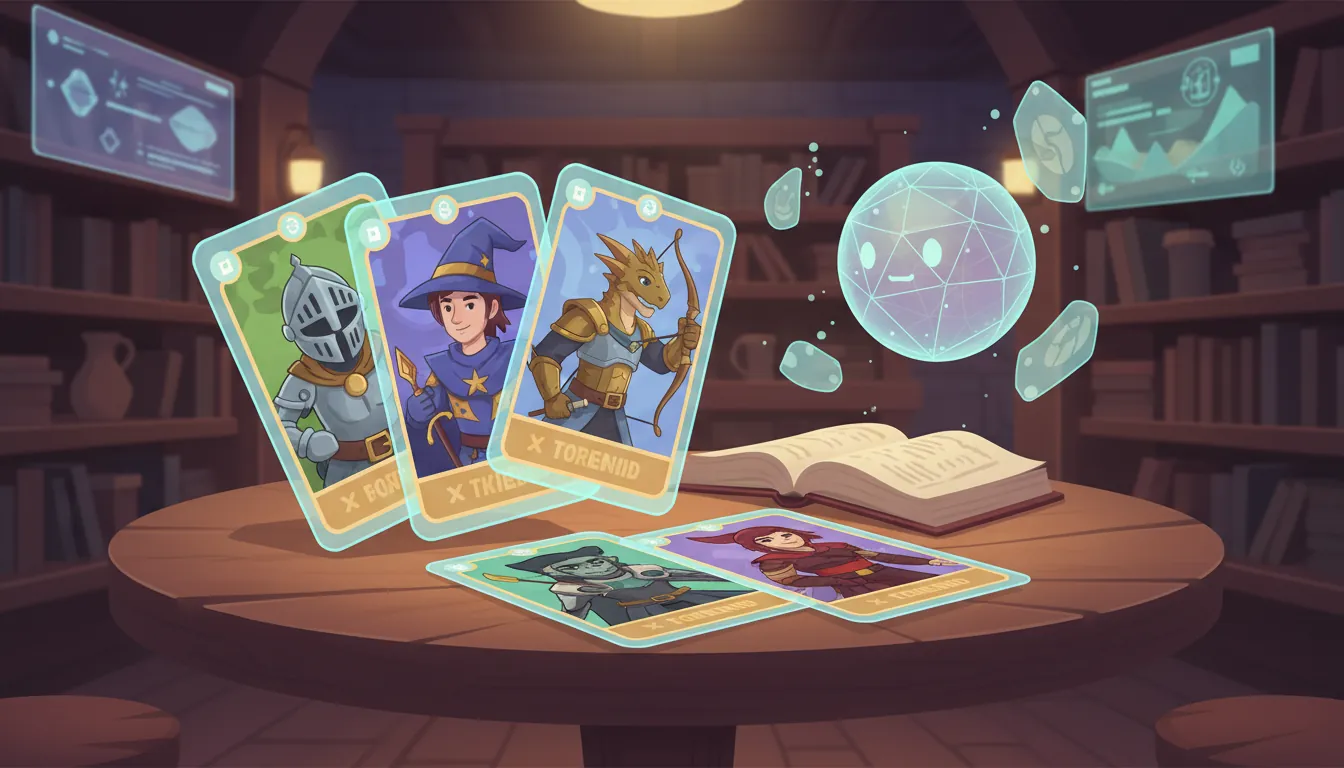
For tavernai.app, the order is practical: understand the decision, run one bounded test, and leave with a clear follow-up path.
Key Takeaways
- Treat best ai character cards for roleplay beginners as one bounded evaluation, with a clear reason to continue or stop.
- Let Tavern AI handle the first pass before asking the reader to compare more options.
- Use The Decision Behind Best AI Character Cards for Roleplay Beginners to define the job, owner, and success rule before opening more options.
- Judge options by character fit, boundaries, discovery friction, privacy, and whether the first chat is worth continuing on tavernai.app.
The Decision Behind Best AI Character Cards for Roleplay Beginners
The first decision is not whether AI Character Cards for Roleplay Beginners sounds interesting. It is whether one session of 15 minutes can help with a named job for tavernai.app readers. For a small team, that job might be one character role or one opening scenario; the review rule is whether the voice and boundaries still feel coherent after a short chat on tavernai.app.
Start with Tavern AI only after that job is clear, because browsing without a success rule makes every option look equally plausible. Keep the checkpoints visible: decision, constraint, and reader.
- Name the exact job behind The Decision Behind Best AI Character Cards for Roleplay Beginners.
- Separate curiosity from the repeatable AI Character Cards for Roleplay Beginners decision this section is meant to support.
- Use the first session for The Decision Behind Best AI Character Cards for Roleplay Beginners to prove fit, not to explore every option.
Decision Criteria
- Decision: decide how this changes the first best ai character cards for roleplay beginners test.
- Constraint: keep the first ai character cards for roleplay beginners session small enough to finish, review, and repeat without guesswork.
- Reader: decide how this changes the first best ai character cards for roleplay beginners test.
That baseline matters before the reader opens Tavern AI or uses SillyTavern's Characters documentation as a reference point, because both are easier to judge when the first job is already named for this tavernai.app page.
What Changes the Outcome for tavernai.app readers
Judging AI Character Cards for Roleplay Beginners is less about the largest catalog and more about the first coherent conversation. The strongest picks make character fit visible quickly, keep boundaries understandable, and do not bury the reader in setup before the first useful exchange on tavernai.app. If a platform needs too much cleanup before the roleplay feels stable, it is a weaker first recommendation even if the homepage sounds exciting on tavernai.app.
Keep the checkpoints visible: criteria, tradeoff, and signal. The reader should be able to judge What Changes the Outcome with one character role, one opening scenario, and whether the voice and boundaries still feel coherent after a short chat.
- Character fit: the first exchange should reveal voice, role, and boundaries when tavernai.app readers make the decision.
- Control: the reader should understand how to adjust tone, scenario, or character choice in the tavernai.app workflow.
- Privacy: the workflow should not require unnecessary personal context in the tavernai.app workflow.
- Staying power: the chat should still feel coherent after the first few replies when tavernai.app readers make the decision.
The useful next step is to test the character workflow idea in Browse All Characters, keep the result, and ask whether it clarifies the original decision on tavernai.app.
A Practical First Pass
The fastest useful start for best ai character cards for roleplay beginners is one concrete example, one target outcome, and one success rule. Run the smallest complete AI Character Cards for Roleplay Beginners pass first, then check whether the result is usable before scaling it into a larger workflow. Make first pass, input, and review explicit so the paragraph cannot drift into a reusable framework.
A useful character workflow test stays concrete: one character role, one opening scenario, and whether the voice and boundaries still feel coherent after a short chat for tavernai.app readers.
- Define the AI Character Cards for Roleplay Beginners job behind A Practical First Pass before comparing options.
- Test best ai character cards for roleplay beginners once, then decide whether voice, boundaries, and whether the first exchange stays coherent is strong enough to continue.
- Use the section to preserve the one move that improves the next character session for this tavernai.app page.
If A Practical First Pass leaves the reader with too many choices, return to the smallest character workflow test and compare one alternative through Blog on tavernai.app.
When to Continue, Revise, or Stop for this tavernai.app page
Iteration helps only when it teaches something specific about AI Character Cards for Roleplay Beginners. Make one change at a time so tavernai.app readers can see which part improved Best AI Character Cards for Roleplay Beginners. If every retry creates a different problem, stop and narrow the best ai character cards for roleplay beginners setup before exporting again.
Tie the advice back to continue, revise, and stop; those details are what make this section belong to the topic when tavernai.app readers make the decision. Make the test specific to best ai character cards for roleplay beginners: one character role, one opening scenario, and whether the voice and boundaries still feel coherent after a short chat.
- Define the AI Character Cards for Roleplay Beginners job behind When to Continue, Revise, or Stop before comparing options.
- Test best ai character cards for roleplay beginners once, then decide whether voice, boundaries, and whether the first exchange stays coherent is strong enough to continue.
- Use the section to preserve the one move that improves the next character session on tavernai.app.
By the end of When to Continue, Revise, or Stop, best ai character cards for roleplay beginners should have a clear verdict: continue with the path that worked, pause because the signal is weak, or rewrite the brief before spending more time.
FAQ
What Decision Does Best AI Character Cards for Roleplay Beginners Help With for this tavernai.app page?
The best beginner pick is the one with clear onboarding, visible boundaries, and a first chat that is easy to judge. Beginners should start with Tavern AI, test one scenario, and move to Browse All Characters only if the first option feels too limited or confusing.
What Changes the Outcome Most for this tavernai.app page?
The first useful check is whether AI Character Cards for Roleplay Beginners produces something the reader can reuse or improve without rebuilding the whole workflow. If AI Character Cards for Roleplay Beginners does not, narrow the brief before trying another tool.
What Is a Practical First Test in the tavernai.app workflow?
AI Character Cards for Roleplay Beginners refers to a practical way to use best ai character cards for roleplay beginners for a defined job, then judge whether the result is clear enough to repeat. Start with Tavern AI, keep the first test narrow, and treat Browse All Characters as a comparison point only after the basic fit is visible in the tavernai.app workflow.
When Should You Revise the Workflow on tavernai.app?
The right moment for AI Character Cards for Roleplay Beginners is when the reader can judge one result against one success rule instead of hoping the workflow feels useful later.
What Should the Reader Do Next in the tavernai.app workflow?
The fit is strong when the AI Character Cards for Roleplay Beginners output survives a calm review and the next step is obvious. When the reader is doing the real work after generation, Best AI Character Cards for Roleplay Beginners needs a clearer setup.
Final Take and Next Step
A useful best ai character cards for roleplay beginners article helps the reader judge voice, boundaries, discovery flow, and session quality before building a longer routine.
For best ai character cards for roleplay beginners, choose by scenario first, then verify the pick with one short test instead of chasing every option. Start with Tavern AI, then use Browse All Characters only when it improves the decision in the tavernai.app workflow. For character and roleplay sites, the strongest path is the one that preserves voice, boundaries, and discovery flow after the first session.
For tavernai.app, the best close is one the reader can use immediately: test, compare, revise, or pause.